Digital Innovation, Health, and Agency: ILF Flagship Dialogue V
Leadership
Access is not the finish line. Agency is. On digital innovation, trust, and reaching the women health systems find hardest to reach.
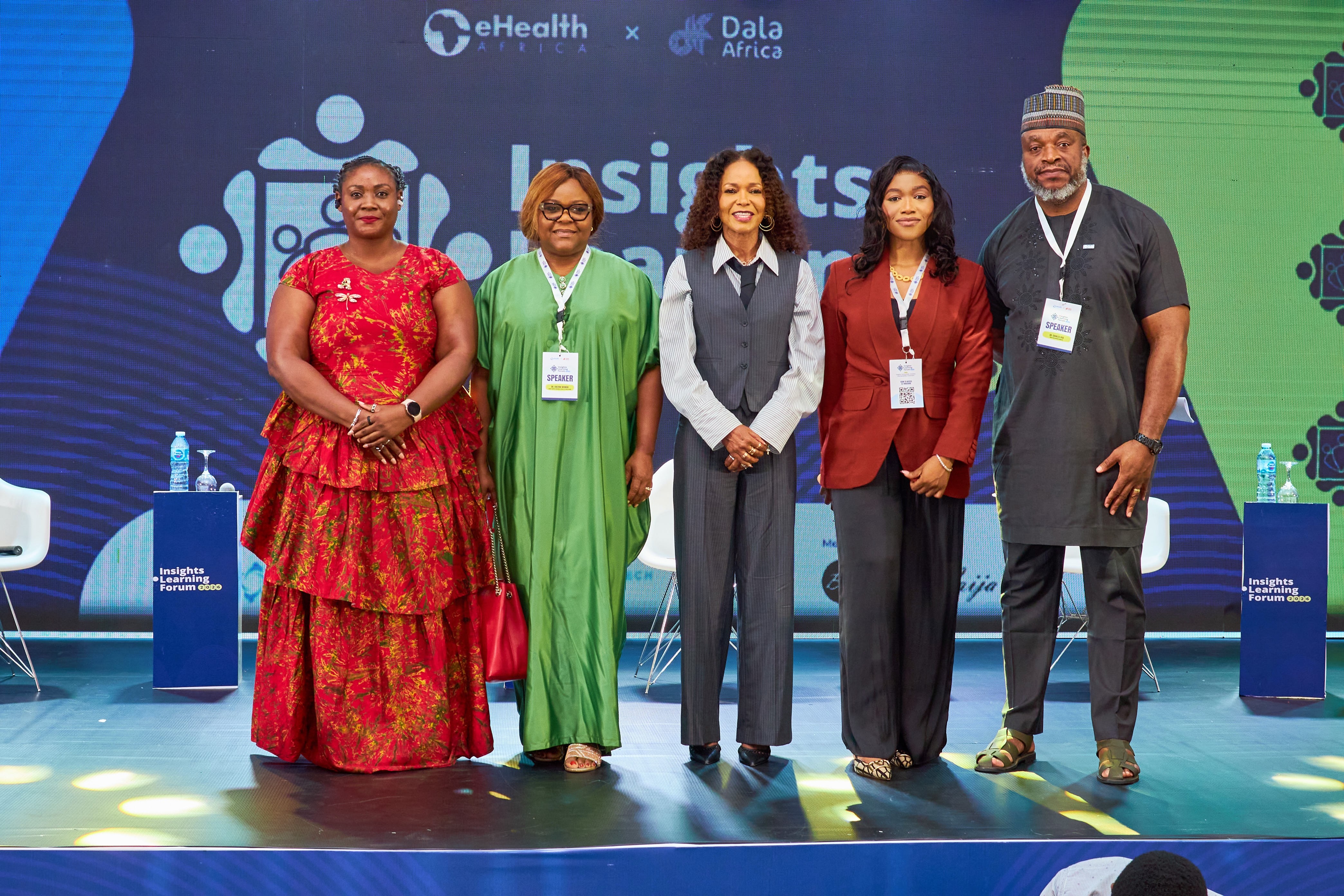
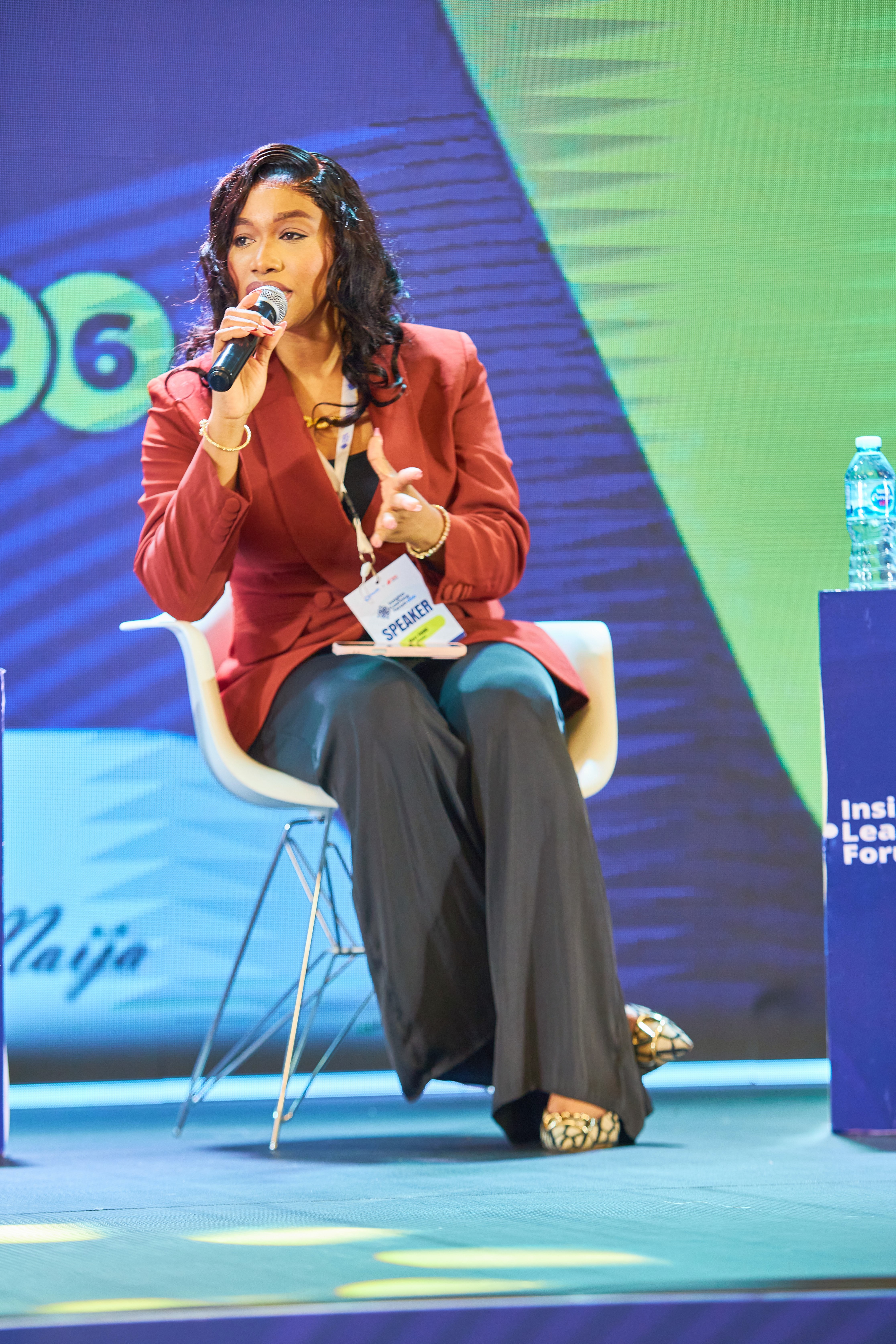
I have been to a lot of forums and conferences. The Insights Learning Forum 2026 was one of those rare gatherings where the right people were genuinely in the room. Government leaders, funders, public health experts, policy leaders, civil society organisations and development partners: not performing proximity to the work, but doing the work, and willing to wrestle with the difficult questions together. Last year, I joined the forum virtually to share how media can shape health behaviours through data-driven communication.
This year, I had the privilege of being there in person, contributing to the conversation from the stage and, just as importantly, learning from everyone else in the room. I joined the ILF Flagship Dialogue V to discuss how digital innovation can advance the health, rights and agency of women and girls across Africa. The point I kept returning to: access is not the finish line. Agency is. We often measure success by how many people we reach. But information alone rarely changes behaviour. People act when they trust what they hear, see themselves reflected in it, and believe it was designed with their realities in mind. Digital solutions are only as effective as the trust, relevance and understanding they create.
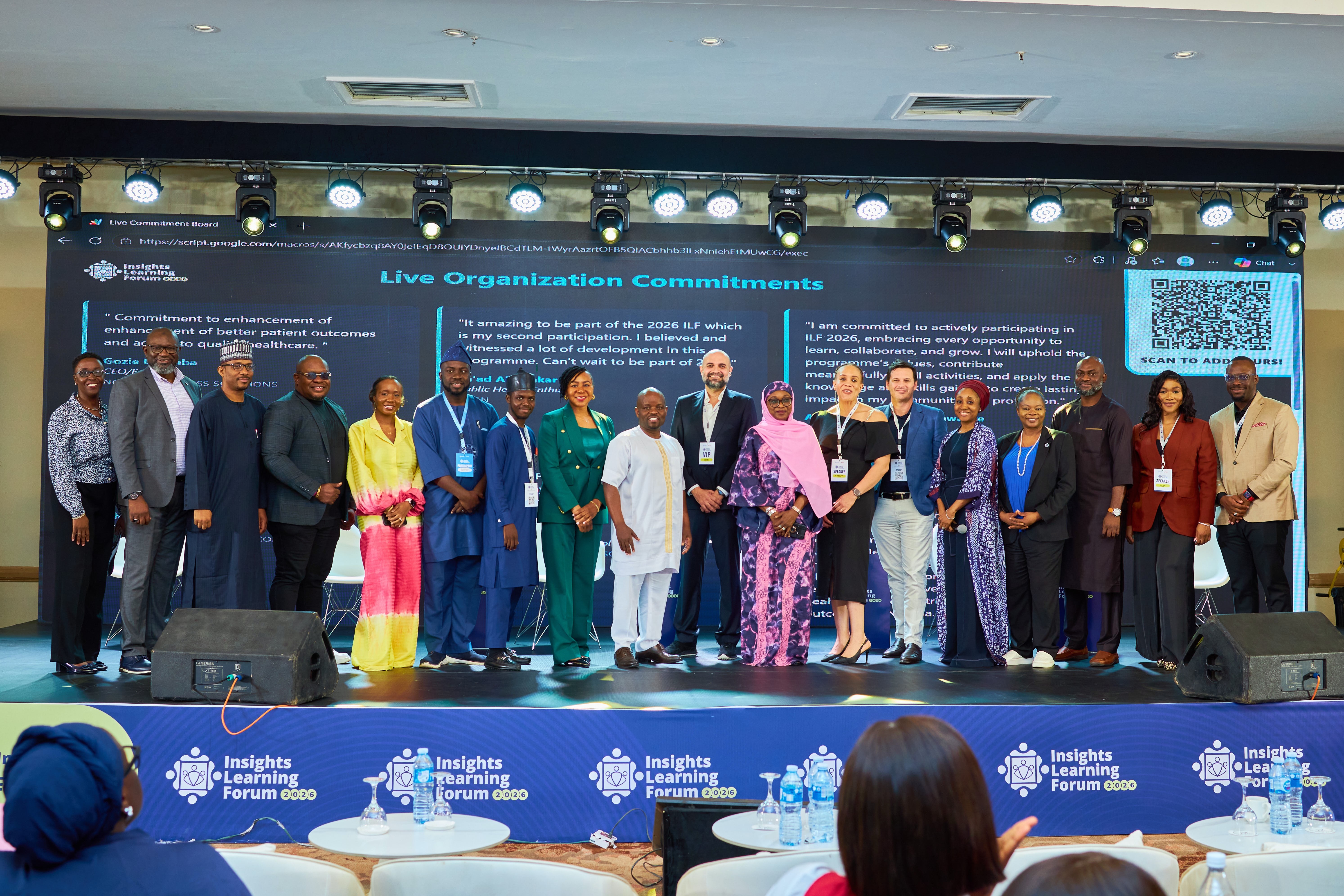
One moment stayed with me beyond the panel. Ota Akhigbe, Director of Partnerships and Programs at eHealth Africa, challenged every participant to leave with one honest commitment rather than a long list of ambitious intentions. I appreciated that. Too many conferences end with applause.
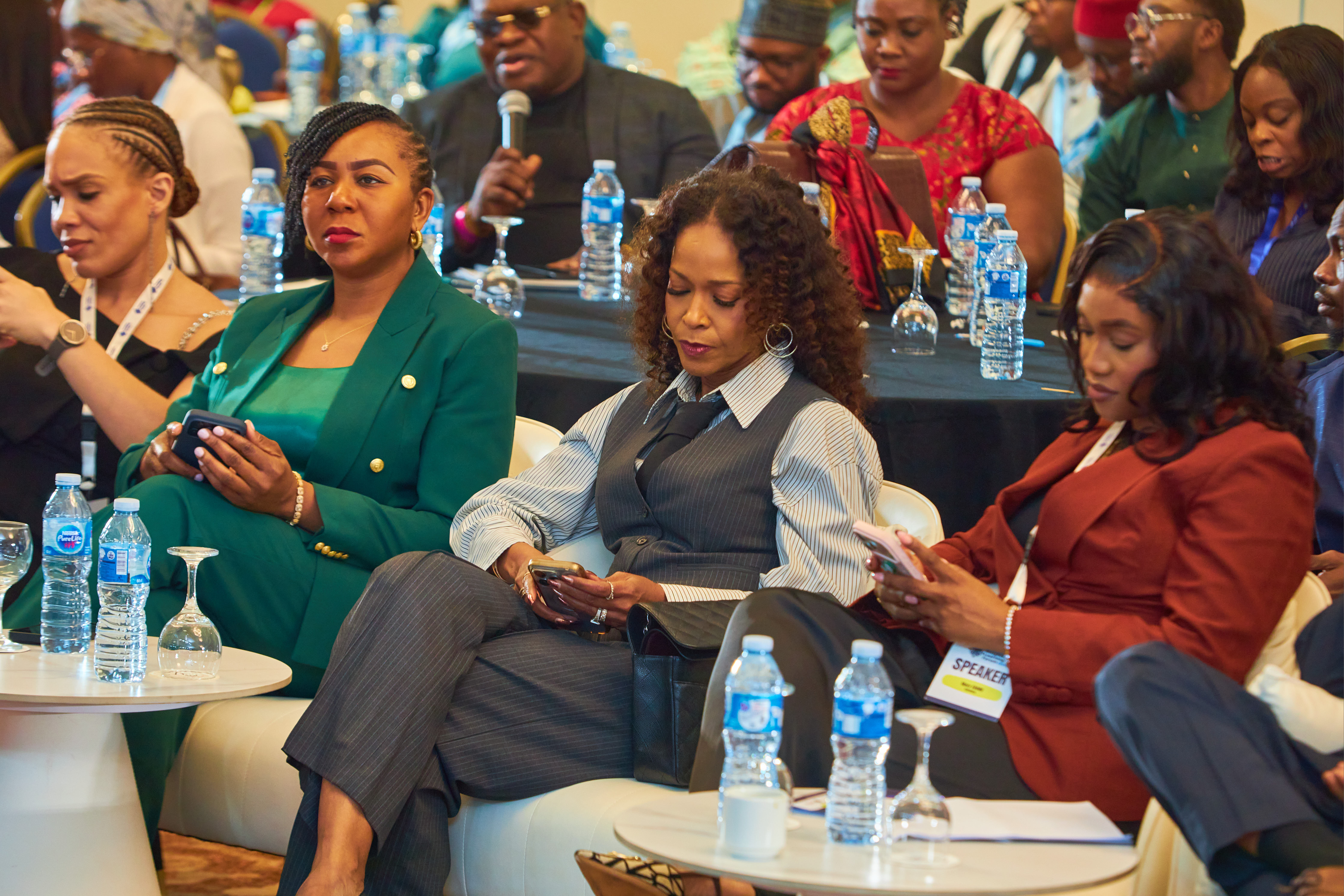
This one ended with accountability, and that distinction really matters. The quality of a convening is not measured by the calibre of people in the room. It is measured by what changes because they were there. Thank you to the eHealth Africa team for building a forum that prioritised substance over spectacle and commitments over conversations. If Africa's health systems are going to evolve, we'll need more spaces that don't just convene people, they move them to act. Which is why I keep returning to the point I made on the panel: reach is not impact. If our measure of success is how many people saw something, the people at the margins will never count for much, because there will always be more of everyone else. But if the measure becomes whether a solution meaningfully reached the woman it was hardest to reach, inclusion stops being an afterthought and becomes the whole test. The true measure of progress is not how advanced our technology becomes, but how many people it meaningfully reaches. I would only add: especially the ones it would have been easiest to leave out.
Mary Edoro
Strategy · Leadership · Growth
© 2026
