Designing Impact in a Fragmented Africa: What Cross-Sector Partnerships Can Teach Us About the Future of Digital Transformation
Leadership
Africa’s development challenges aren’t siloed. They cross health, education, culture, technology, and economics. NGOs struggle with visibility and governance.
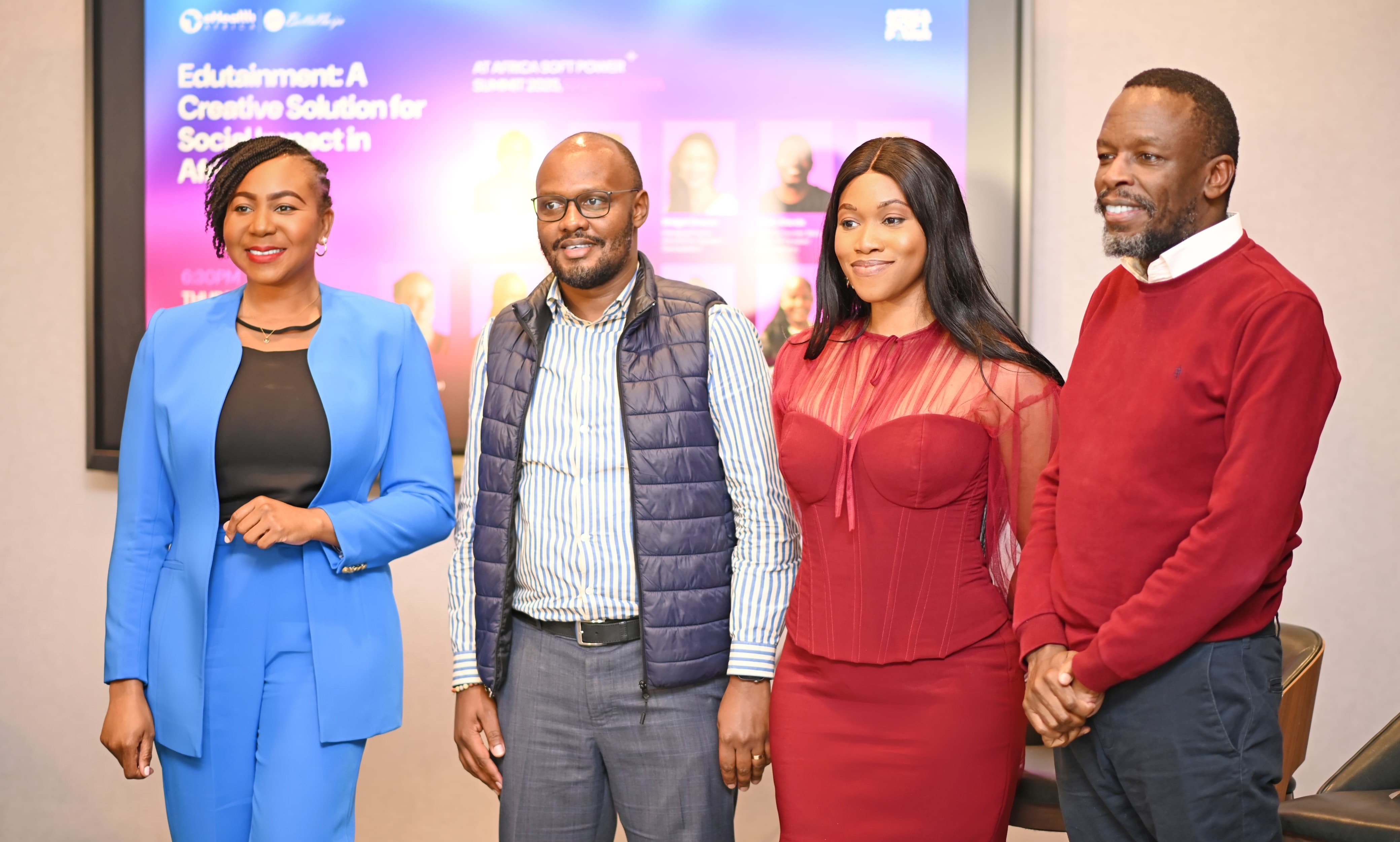
In May, I had the privilege of leading a strategic partnership between BellaNaija and eHealth Africa that co-created a bold, insight-driven side session at the Africa Soft Power Summit titled: “Edutainment: A Creative Solution for Social Impact in Africa.”
The room brought together leaders in digital media, public health, AI, youth communication, policy, and innovation hubs across the continent, and it became clearer to me that Africa is sitting on an untapped advantage.
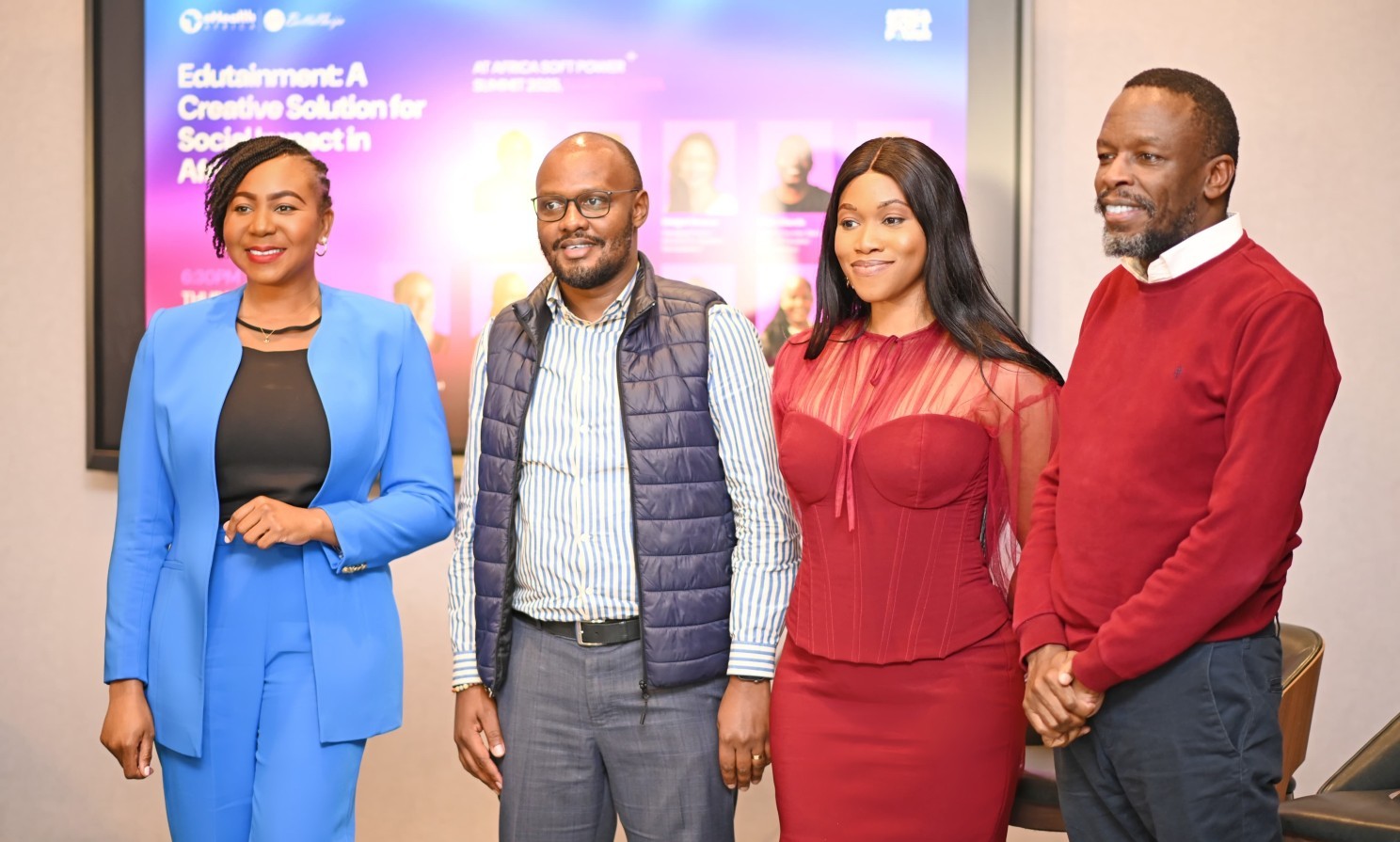
L-R; Ota Akhigbe, Director of Partnerships & Programs | eHealth Africa, Enock Musyoka, Strategic Partnerships Manager | Reach Digital Health, Mary Edoro, Chief of Staff/Head of Strategy | BellaNaija, and Nelson Aseka, Founder and CEO | AIfluence
Africa’s digital transformation story is often told from the top down, bold policies, sweeping strategies, and big promises. But in reality, the continent’s progress is being shaped by something far more grounded: the ability of organisations to collaborate across sectors, build practical systems where policies lag, and design solutions that reflect the lived realities of African communities.
Beyond its health and community impact, the collaboration is a textbook example of how African companies and NGOs can build practical, scalable, continent-ready models for digital development.
This is a story about strategy, but also about creativity, governance, and a new way of thinking about impact.
Let's dive in!
1. Africa’s Reality Check: The CEO Priorities Redefining Strategy
Across African boardrooms, four priorities dominate conversations heading into 2026:
AI adoption
ESG accountability
Cybersecurity resilience
Talent development
But here’s the real insight: African CEOs aren’t just thinking about AI in terms of efficiency. They’re leaning on it to solve social challenges, climate modelling, emissions reduction, health access, service delivery, especially because traditional systems often fall short. At the same time, ESG has shifted from a “CSR box-tick” to a strategic requirement that demands transparency, governance, and real-world proof of social value. The BN x eHA partnership hits this sweet spot, practical social impact with measurable outcomes, powered by media scale and digital tools.
We reframed storytelling as infrastructure, not “content.” Infrastructure. A strategic asset that shapes: behaviour change, public perception, trust and community understanding.
In a continent where misinformation spreads faster than resources, storytelling becomes a public health system of its own.
2. Why Cross-Sector Collaboration Isn’t Optional Anymore
Africa’s development challenges aren’t siloed. They cross health, education, culture, technology, and economics. NGOs struggle with visibility and governance. Corporates face pressure to prove real social contribution. Government systems move slowly. Public understanding of public–private partnerships is still low.
So when we designed this partnership, we weren’t just “working together” we were intentionally bypassing systemic bottlenecks by combining strengths that rarely meet in the same room.
BN brought influence, cultural understanding, and mass storytelling power.
eHealth Africa brought data, digital health infrastructure, and operational reach into underserved communities.
The result? A collaborative model that did what policy alone couldn’t: reach millions quickly with accurate, youth-focused health content, while grounding the work in real digital health systems.
This is what cross-sector synergy looks like when done right: each side providing what the other lacks.
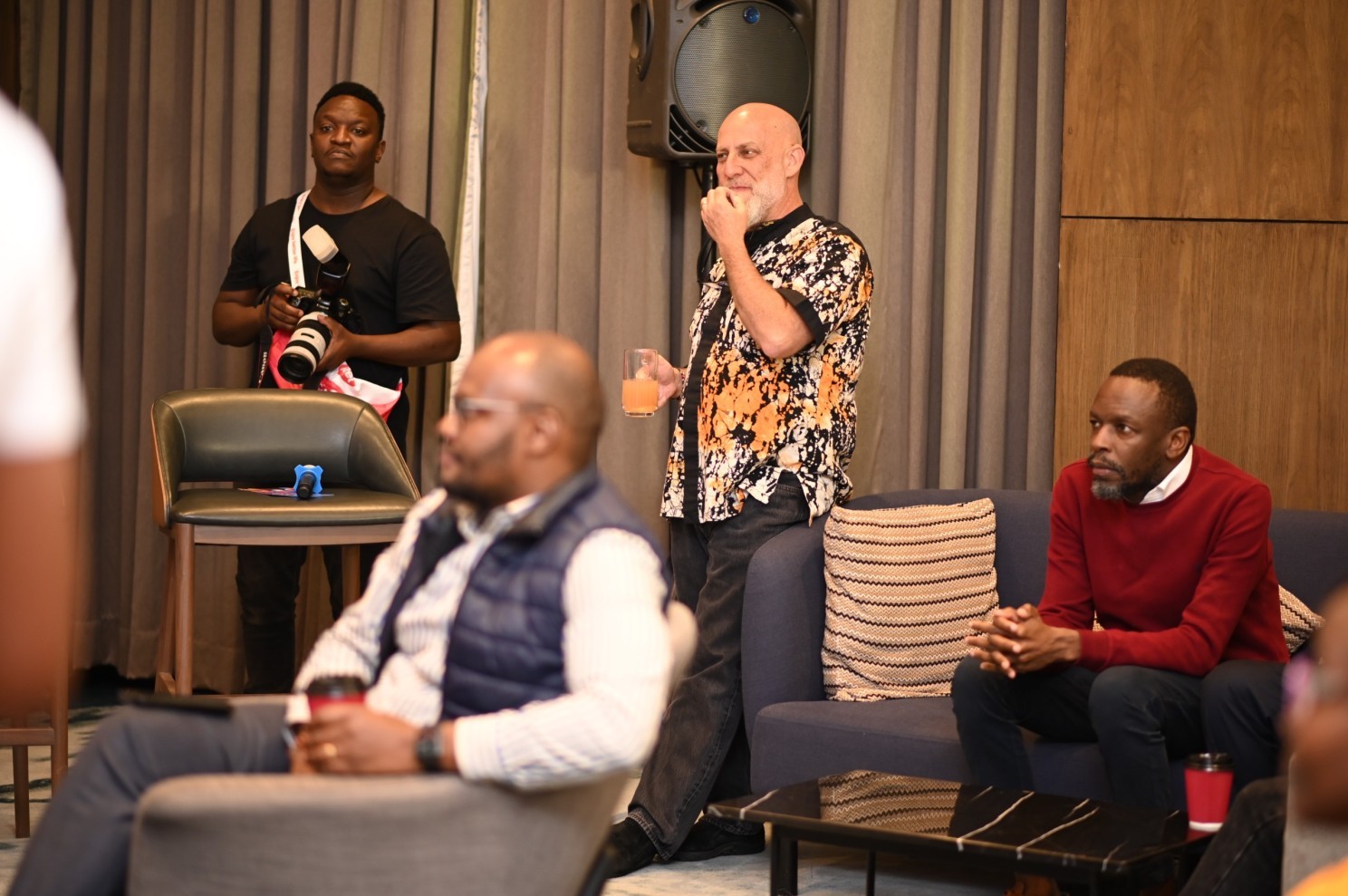
Jay Shapiro, CEO| Usiku Games
3. Storytelling as Infrastructure: The Quiet Power of Digital Influence
In Africa, public health data doesn’t become impactful until somebody translates it into a language the public can feel.
That’s where BellaNaija came in.
Through storytelling; articles, videos, infographics, reels; we used the BellaNaija platform to turn clinical reports into relatable narratives about young women, girls, and communities. This was not “awareness.” It was strategy.
The partnership used:
youth-led research to avoid cultural misalignment
SBCC (Social and Behaviour Change Communication) frameworks to shape behaviour
real-time feedback loops to refine content
visual-first storytelling to reach young audiences where they already are
It’s the same playbook used by major African public health campaigns, like South Africa’s LoveLife, which shifted behaviour around HIV testing, condom use, and treatment adherence.
4. Working Through the Complexity: Governance, Ethics, and the AI Dilemma
Digital health in Africa is not plug-and-play. Fragmented policy landscapes, uneven infrastructure, and data privacy challenges are major barriers. Over 60% of African countries don’t have stand-alone digital health policies, which leaves innovators navigating ethical landscapes without clear rules.
That’s why this BN x eHA partnership framework is interesting, existing within its own governance playbook.

The model included:
strict youth data privacy
transparent communication
inclusive content development
local nuance and cultural alignment
responsible use of digital tools
built-in safeguards against algorithmic bias
This matters because Africa’s youth, the world’s youngest population, are the most impacted by digital transformation. Protecting them isn’t just ethical; it’s strategic.
5. The Real ROI: Why Social Impact is a Business Strategy
For executives, impact must translate into value; both social and business. Here’s where the partnership shines:
Behaviour Change = Long-Term Cost Reduction: Digital interventions reduce long-term public health costs by promoting earlier care, better prevention, and healthier decision-making.
Brand Equity: A credible social impact program builds trust, a critical currency in volatile African markets.
ESG Reporting: The partnership fed directly into the “S” and “G” pillars: health outcomes, inclusion metrics, youth engagement, risk mitigation, and governance practices
In a world where investors, partners, and regulators demand transparency, this kind of impact becomes a strategic asset.
6. From Pilot to Policy Blueprint: A Scalable African Model
The BN x eHA partnership isn’t just a project, it’s a model that matches the ambitions of continental frameworks like The Africa CDC Digital Transformation Strategy and The Smart Africa Digital Health Blueprint.
These frameworks aim to build a unified digital health ecosystem across the continent. BN x eHA is a working example of what that looks like in practice: media, youth, NGOs, and tech coming together to create solutions that policymakers can scale.
The Conversation Africa Needs to Have in 2026
One of the strongest themes that emerged was this:
Africa cannot build its future with borrowed narratives, borrowed data, or borrowed technology.
If we want campaigns that resonate, technologies that reduce inequality, ecosystems that scale, policies that reflect lived realities then African insights must sit at the centre.

This partnership demonstrated what becomes possible when we honour that truth.
My Role and What It Means for the Future of Leadership in Africa
This project represented more to me than a successful collaboration. It captured the kind of strategic leadership I'm committed to advancing on the continent.

My work exists at the intersection of digital transformation, cross-sector partnerships, cultural intelligence, innovation strategy and stakeholder alignment
Facilitating the BN x eHealth Africa partnership aligned with the type of systems-focused, leadership I’m increasingly stepping into in 2026 and beyond. What excites me is turning complexity into clarity, amplifying stakeholder value, building frameworks that scale, and creating pan-African impact through collaboration.
The Case for Pan-African Collaboration
The energy in that room in Nairobi was powerful, not because of the speakers alone, but because of what it represented: A shift from individual intelligence to collective intelligence. From competition to collaboration. From projects to ecosystems. From storytelling as entertainment to storytelling as strategy.
This is the direction Africa must go.
Mary Edoro
Strategy · Leadership · Growth
© 2026
